
 en
en Spanish
 Portuguese
Altitude in Machu Picchu and Cusco: How to Prepare for High Elevation, Acclimatization, and a Safe Journey
A visit to Machu Picchu often begins with excitement about its ancient ruins, mountain views, and fascinating Inca history. However, the journey also brings travelers into the Andes, where the high elevation can catch some visitors by surprise. Learning about Machu Picchu altitude ahead of time gives you a better idea of what to expect and helps you prepare for each part of your journey.
What Is the Altitude in Machu Picchu?
Machu Picchu is located at approximately 2,430 meters (7,972 feet) above sea level in the Andes Mountains of Peru. At this elevation, the ancient Inca citadel sits above the surrounding valleys. The thinner air is noticeable but often easier for many visitors to tolerate than at higher elevations.
How Does Machu Picchu Altitude Affect Visitors?
At 2,430 meters (7,972 feet), the air contains less oxygen than at sea level. Many visitors explore Machu Picchu without major issues, but some notice mild effects as their bodies adapt to the elevation. Common symptoms include tiredness, shortness of breath during physical activity, headaches, or difficulty sleeping.
How you feel at Machu Picchu depends on several factors, including:
Can You Get Altitude Sickness at Machu Picchu?
Machu Picchu is lower than many other places in the Peruvian Andes, but some visitors still get altitude sickness. This happens when your body has not adjusted to the thinner air and lower oxygen at higher elevations. Anyone can get symptoms, no matter their age, fitness, or hiking experience.
Common Symptoms of Altitude Sickness
Most symptoms start out mild and often get better if you rest and give yourself time. As you explore Machu Picchu, notice how you feel, especially when climbing steps, walking uphill, or staying at the site for a long time.
Common symptoms include:
How Does the Environment at Machu Picchu Affect the Experience?
Altitude is just one aspect of visiting Machu Picchu. The site sits in a cloud forest, so you’ll notice warmer temperatures, higher humidity, and weather that can shift throughout the day. Even in the dry season, light rain or mist often appears, so conditions can change fast.
How to Prepare for Machu Picchu Altitude Before Your Visit
Getting ready for Machu Picchu’s altitude begins before you even get to Peru. Since it’s hard to know how your body will react to higher elevations, taking some simple steps ahead of time can help you feel more prepared and confident for your trip. A bit of planning, from your schedule to what you pack, can make your visit easier and help you enjoy exploring one of the world’s most amazing archaeological sites.

Build Fitness Before Your Trip
Doing regular walking, hiking, or cardio before your trip can make long days of sightseeing easier. While being fit won’t stop altitude sickness, having better stamina helps you manage Machu Picchu’s stairs, uneven paths, and hours of walking.

Consider Your Travel Route and Acclimatization Time
How you arrive can affect how your body adjusts to the Andes. If you can, try not to go straight from low elevations to Machu Picchu. Spending some time in the area first lets your body adjust slowly and can make your visit more comfortable. Many travelers spend this time exploring nearby places at a relaxed pace before heading to Machu Picchu.

Avoid Arriving Exhausted
Getting to Machu Picchu usually means early mornings, train rides, and long transfers. Try not to plan your visit right after a tiring travel day or tough activity. Arriving rested helps you enjoy the experience and have enough energy to explore.

Talk to Your Doctor if You Have Health Concerns
Travelers with certain medical conditions, including heart or lung issues, should discuss high-altitude travel with a healthcare professional before their trip. A doctor can provide advice based on your health history and recommend any precautions you may need before visiting a high-altitude destination.

Ask About Altitude Medication
Some travelers think about using prescription medicine to help prevent altitude sickness, especially if they’ve had trouble at high elevations before. Medicines like acetazolamide aren’t right for everyone, so talk to your doctor before your trip if you want to consider this.

Limit Alcohol Before and During Your First Days at High Elevation
Alcohol can cause dehydration and affect your sleep, which can make it harder to adjust to higher elevations. Limiting alcohol at the start of your trip can help you notice how your body is handling the altitude.

Pack Smart for a Day at Machu Picchu
Pack important things in your day bag so you can reach them easily during your visit. Good items to bring are your medications, sunscreen, a reusable water bottle, snacks, a rain jacket, and any entry documents. A lighter bag is easier to carry on the stone paths and stairs.

Dress for Changing Conditions
The weather at Machu Picchu can change a lot during the day, so wearing the right clothes helps you stay comfortable. Bring light layers, sun protection, good walking shoes, and something for rain to be ready for sun, cool air, or sudden showers.

Carry Snacks for Steady Energy
Keep simple snacks on hand, such as nuts, granola bars, or dried fruit, to support your energy during walking and sightseeing at Machu Picchu. Since you’ll be walking for hours, having something small to eat can help between meals or on longer routes.
Plan a Flexible Schedule
Try not to plan a schedule that’s too tight. A flexible plan lets you slow down if you need more rest, change your plans if you feel unwell, or deal with unexpected weather or travel changes without extra stress.
Listen to Your Body
Everyone responds differently to altitude, so paying attention to how you feel is important. If you notice discomfort, slow down and give yourself time to recover before continuing. Pushing through worsening symptoms can make your experience more difficult and may increase health risks.
Machu Picchu's altitude is something to prepare for, but it does not need to overshadow your visit. By planning, understanding your options, and arriving with realistic expectations, you can explore the ancient Inca citadel with greater comfort and peace of mind.
Cusco Altitude: Why It Matters Before Visiting Machu Picchu
Many travelers start their journey to Machu Picchu with a stop in Cusco, which is at a higher altitude than the famous citadel. Spending time in Cusco can affect how you feel at the beginning of your trip. Knowing about Cusco’s altitude helps you plan a realistic itinerary, organize your first days, and get ready for traveling through the Andes.

How High Is Cusco?
Cusco sits about 3,400 meters (11,152 feet) above sea level, making it one of the highest cities that many visitors will experience in Peru. Because it is much higher than Machu Picchu, some people feel the effects of altitude more when they first arrive in Cusco.
Because Cusco is a common base for trips to the Sacred Valley and Machu Picchu, many visitors spend several days in the city before continuing their journey. This stop provides time to become familiar with the higher elevation while exploring Cusco's historic neighborhoods, markets, and nearby attractions.
Why Cusco Altitude Can Affect Your Machu Picchu Visit
Cusco often serves as the adjustment point between arriving in Peru and exploring Machu Picchu. Travelers who struggle with the elevation in Cusco may find long sightseeing days, walking tours, or early departures more challenging before reaching the ruins.
Taking your time in Cusco before visiting Machu Picchu helps you enjoy the city’s attractions while giving yourself time to adjust to the high elevation. Exploring the city’s historic streets, nearby sites, and cultural spots lets you experience more of the Andes before heading to Machu Picchu.
Machu Picchu vs. Cusco Altitude: Which One Feels Higher?
Although Machu Picchu and Cusco are both located in the Andes, their elevations create different experiences for visitors. Cusco sits much higher at 3,400 meters (11,152 feet), while Machu Picchu is located at 2,430 meters (7,972 feet). For many travelers, Cusco is where they first notice the effects of altitude, while Machu Picchu feels easier from an elevation standpoint but requires more walking around the site.
| - | Machu Picchu | Cusco |
|---|---|---|
| Elevation | 2,430 m (7,972 ft) | 3,400 m (11,152 ft) |
| Main challenge | Walking through the ruins, stone paths, and stairways | Adjusting to the higher elevation during the first days |
| Typical stay | Day trip or overnight visit | Several days for many travelers |
| What visitors often notice | More physical activity while exploring the site | Altitude effects during everyday activities such as walking around the city |
How the Two Altitudes Feel Different
Cusco's higher elevation means it is often the place where travelers first become aware of the Andes altitude. Walking uphill, exploring the city's streets, or carrying luggage may feel more demanding at first.
Machu Picchu has a lower elevation, but the visit itself can be physically active. The archaeological site includes stone pathways, stairs, and uneven surfaces, so tiredness is often related to movement around the ruins rather than elevation alone.
Which Altitude Should Travelers Prepare For?
Cusco usually requires more adjustment because of its higher elevation. Spending time there before visiting Machu Picchu allows many travelers to become more comfortable before continuing their journey.
Once you arrive at Machu Picchu, the focus shifts from adjusting to altitude to exploring the site itself. The lower elevation combined with the surrounding landscape creates a different experience from the high-altitude streets of Cusco.
Prepare for Every Part of Your Machu Picchu Journey
Understanding altitude is an important part of preparing for your visit, but there are other details to consider before reaching the citadel. Explore these guides to help plan your route, choose the right experience, and prepare for your time in Machu Picchu and the surrounding areas.
Plan Your Machu Picchu Tickets and Tours
Choosing the right Machu Picchu ticket and tour can help you organize your visit based on your schedule and travel preferences. Learn about ticket options, guided experiences, and what to consider before booking your entry.
Explore Machu Picchu Tickets and Tours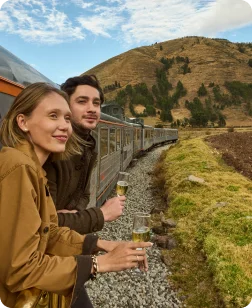
Find the Best Way to Get to Machu Picchu
Getting to Machu Picchu involves planning your transportation from Cusco or the Sacred Valley. Follow this step-by-step guide to understand the main routes, train options, and connections available for your journey.
Learn How to Get to Machu Picchu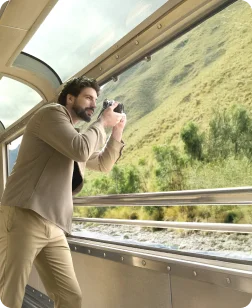
Check the Climate, Altitude, and Best Time to Visit
Weather and elevation can affect your travel experience in the Andes. Learn what conditions to expect in Cusco and Machu Picchu, along with tips for choosing the best time for your visit.
Discover the Climate and Best Time to Visit
Know What to Bring and Understand Site Rules
Packing the right items can make your Machu Picchu visit more comfortable. Review what you can bring inside the citadel, along with important site rules to know before arrival.
See What to Bring and Site Rules
Explore Machu Picchu Itineraries and Packages
A well-planned itinerary can help you make the most of your time in the region. Browse different travel plans and packages designed for different schedules, from short visits to longer explorations.
View Machu Picchu Itineraries and Packages
Choose the Right Machu Picchu Circuit
Machu Picchu offers different circuits with varying routes and viewpoints inside the archaeological site. Learn how each circuit works and decide which option best matches your interests and travel plans.
Compare Machu Picchu Circuits
Discover What to Do in Machu Picchu Pueblo
Machu Picchu Pueblo (Aguas Calientes) offers more than just a stop before visiting the citadel. Find out about local attractions, restaurants, hot springs, and activities to enjoy before or after your Machu Picchu visit.
Explore Things to Do in Machu Picchu PuebloFrequently Asked Questions
How long does it take to adjust to Machu Picchu altitude?
Most travelers need a few days to adjust to high-altitude destinations in the Andes. Since Machu Picchu sits at 2,430 meters (7,972 feet), many visitors adjust more easily after spending time in Cusco or the Sacred Valley first. The adjustment period varies depending on your body, travel speed, and previous altitude experience.
Who is most likely to experience altitude sickness in Cusco and Machu Picchu?
Anyone can get altitude sickness, even if you are healthy and active. People who come from low elevations or do not give themselves time to adjust are more likely to feel symptoms. Common signs are headaches, feeling tired, dizziness, nausea, and shortness of breath.
How many days in Cusco are enough before visiting Machu Picchu?
Most people spend two to three days in Cusco before going to Machu Picchu. This helps your body get used to the altitude and lets you explore at a relaxed pace. Some people may need more time, depending on how they feel at higher elevations.
Is it better to acclimatize in the Sacred Valley instead of Cusco?
The Sacred Valley is a good choice for some people because it is lower than Cusco in many places. Some travelers find it easier to adjust to the altitude if they stay there first. Still, many people use Cusco as their base for visiting Machu Picchu, and it works well for them too.
How long does Machu Picchu mountain sickness last?
Mild altitude sickness symptoms at Machu Picchu usually improve within a day or two as your body adjusts. Rest, avoiding strenuous activity, and giving yourself time to acclimatize can help. Severe or worsening symptoms require medical attention.
How much physical training do you need for Machu Picchu?
You do not need to train hard to visit Machu Picchu, but being in good shape can make your trip easier. Walking, hiking, or using stairs regularly can help you get ready for the uneven paths and steps. Being fit will not stop altitude sickness, but it can help you feel more comfortable while exploring.
What is the best way to improve altitude acclimatization?
The best way to get used to the altitude is to go up slowly and not rush your plans. Spending some time in Cusco or the Sacred Valley before visiting Machu Picchu gives your body a chance to gradually adapt to the higher elevation. Resting, drinking plenty of water, and taking things at a steady pace also help.
Final Thoughts
Magic is on the roadVisiting Machu Picchu is more enjoyable when you understand what to expect before arriving. The altitude, mountain terrain, and changing conditions are all part of the experience, but proper preparation can help you feel more comfortable throughout your journey.