
 en
en Spanish
 Portuguese
Machu Picchu Train Boarding Points & Ticket Offices by Route
Before traveling to Machu Picchu, it’s important to understand where your journey actually begins. Some locations function as train stations, others as ticket offices, and certain routes include bus-to-train connections with separate boarding procedures.
Explore Machu Picchu Routes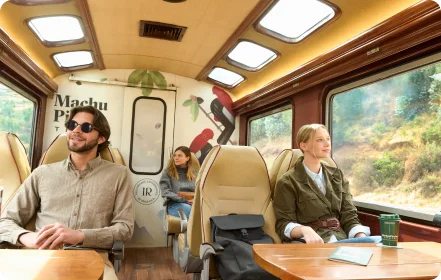 Explore Machu Picchu Routes
Machu Picchu Boarding Points vs Ticket Offices
Not all ticket offices are boarding locations. Some offices only provide ticket sales and customer support, while others function as operational departure points with waiting rooms and boarding coordination.This distinction is especially important for travelers using the Cusco to Machu Picchu bimodal route, where the journey begins by bus in Cusco before continuing by train from Ollantaytambo.
| Zone | Location | Type | Main Purpose |
|---|---|---|---|
| Cusco City | Plaza de Armas – Portal de Panes 105 | Ticket office | Ticket sales, modifications, travel assistance |
| Cusco City | Av. El Sol 843 | Ticket office + bimodal boarding point | Bus departure point to Ollantaytambo, waiting room, snack area |
| Ollantaytambo | Building A – Av. Ferrocarril s/n | Ticket office + luggage storage | Ticket support and oversized luggage storage |
| Ollantaytambo | Building B – across from Building A | Waiting room + station access | Main boarding and waiting area with café and restrooms |
| Machu Picchu Pueblo | Estación Machu Picchu | Shared train station | Boarding area shared by multiple train operators |
| Machu Picchu Pueblo | Inca Rail counter inside station | Ticket office | Ticket changes, reprints, customer assistance |
Key Things Travelers Should Know
- Not all ticket offices are boarding points: Some locations only handle ticket sales and customer support.
- The Av. El Sol office in Cusco is the bimodal departure point: Passengers traveling on the bimodal route begin here before transferring by bus to Ollantaytambo.
- Ollantaytambo is the main direct train boarding hub: Most travelers board the train here when not using the Cusco bus connection.
- Some locations include waiting rooms: Waiting areas are available at Av. El Sol in Cusco, Ollantaytambo’s main boarding building, and Machu Picchu Station.
Machu Picchu Routes
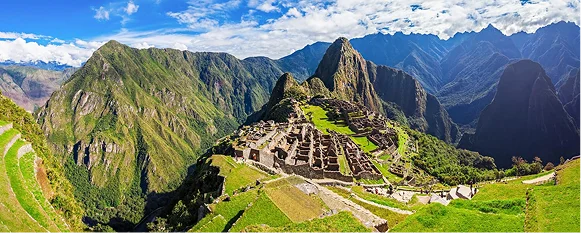
Travel to Machu Picchu is operated through two main route flows: the Cusco bimodal connection and the direct train route from the Sacred Valley. For full route details, visit the dedicated route pages.
Cusco to Machu Picchu (Bimodal Route)
A combined bus and train journey where passengers begin at the Av. El Sol boarding point in Cusco before transferring to Ollantaytambo Station for the train segment.
View Cusco to Machu Picchu Route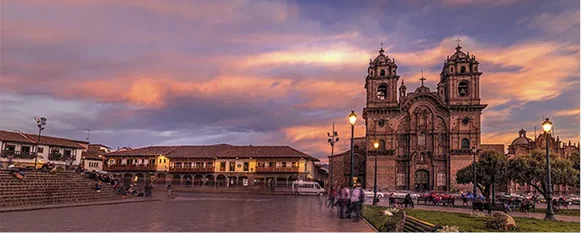
Ollantaytambo to Machu Picchu Route
The main direct train route where passengers board at Ollantaytambo Station, the primary rail departure hub in the Sacred Valley.
Ollantaytambo to Machu Picchu RouteQuick Boarding Reference by Route
Use this quick-reference table to identify the correct boarding location for your route to Machu Picchu.
| Route | Starting Point | Boarding Type | Transfer Required |
|---|---|---|---|
| Cusco to Machu Picchu | Av. El Sol, Cusco | Bus + Train | Yes |
| Ollantaytambo to Machu Picchu | Ollantaytambo Station | Direct Train | No |
| Machu Picchu Pueblo to Ollantaytambo | Machu Picchu Station | Direct Train | No |
Machu Picchu Train Stations
Stations are the physical access points where passengers board or transfer between bus and train services depending on their route. Each station plays a different operational role—some function as boarding hubs, while others serve as shared passenger terminals or ticketing support points.
Ollantaytambo Station
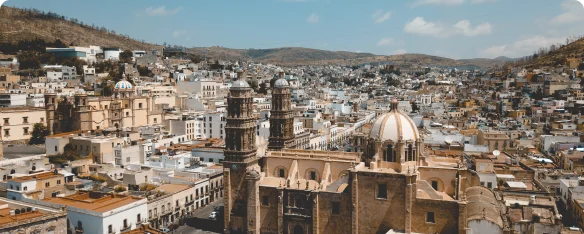
Ollantaytambo Station is the primary boarding point for passengers traveling by train from the Sacred Valley to Machu Picchu. It functions as both a boarding station and passenger support hub, with separate areas for ticket assistance, luggage handling, and waiting.
Learn more about Ollantaytambo Station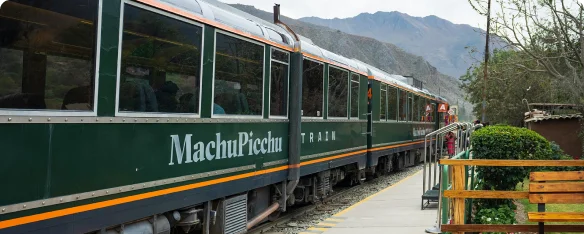
Aguas Calientes Station (Machu Picchu Pueblo Station)
Aguas Calientes Station is the arrival and departure terminal located in Machu Picchu Pueblo. The station operates under a shared infrastructure system and includes both waiting areas and operator-specific service counters.
Learn more about Machu Picchu StationWaiting Rooms & Station Logistics
Depending on the route, passengers may begin their journey from a ticket office, boarding point, or shared train terminal. Several locations across Cusco, Ollantaytambo, and Machu Picchu Pueblo include waiting areas and passenger support facilities before departure.
| Location | Boarding Point | Ticket Office | Waiting Room |
|---|---|---|---|
| Av. El Sol, Cusco | Yes | Yes | Yes |
| Plaza de Armas, Cusco | No | Yes | No |
| Ollantaytambo Station | Yes | Yes | Yes |
| Machu Picchu Station | Yes | Yes | Shared |
Av. El Sol Boarding Point (Cusco)
The Av. El Sol location in Cusco serves as the boarding point for the bimodal route to Machu Picchu. Passengers traveling on the bus-to-train connection begin their journey here before transferring to Ollantaytambo Station.
Available facilities:
- Ticket assistance
- Passenger waiting room
- Boarding coordination area
- Snack and café services
Discover Machu Picchu Travel Tips by Route
Travel to Machu Picchu varies depending on your route, including where you board, how transfers work, and what to expect at each station. These travel tips help you prepare for your journey from Cusco, Ollantaytambo, or Machu Picchu Pueblo so you arrive at the right place and are ready to board.
View Machu Picchu Travel Tips by RouteFrequently Asked Questions
What should I know about altitude sickness when traveling to Machu Picchu?
Altitude sickness can affect travelers arriving in high-elevation areas like Cusco before continuing their journey to Machu Picchu. That's why it is recommended to rest, stay hydrated, and avoid heavy meals or alcohol on your first day. Many travelers also acclimate in Cusco for at least 1–2 days before traveling further.
Do train journeys to Machu Picchu offer panoramic views?
Yes, train routes to Machu Picchu are known for their panoramic views of the Sacred Valley, rivers, and surrounding Andean mountains. Large windows and glass-roof carriages on some train services enhance the sightseeing experience.
Where can I find Machu Picchu train schedules?
Machu Picchu train schedules are usually published online and updated regularly to reflect demand and weather conditions. Travelers should check schedules in advance to coordinate connections from Cusco or the Sacred Valley. Early morning and afternoon departures are the most common options.
How early should I arrive before my train or bus departure?
It’s recommended to arrive at least 30–60 minutes before your scheduled departure time. This gives you enough time for check-in, luggage handling, and security or boarding coordination. During peak season, arriving earlier helps avoid long queues at stations like Ollantaytambo Station.
Can I store large luggage during the trip to Machu Picchu?
Yes, but large suitcases are generally not allowed on trains to Machu Picchu due to space limitations. Stations like Ollantaytambo offer luggage storage services where you can leave bigger bags safely. You are usually only allowed a small carry-on onboard. This luggage policy helps ensure comfort and safety for all passengers during the journey.
Is there a mobile signal or Wi-Fi at stations and on trains?
Mobile signal can be weak or inconsistent, especially between Cusco and Machu Picchu. Some stations and waiting areas may offer limited Wi-Fi, but it is not guaranteed. It’s best to download tickets and travel information in advance.
Are food and drinks available during the journey?
Light snacks and beverages are often available at waiting areas and stations, especially in places like Ollantaytambo and Machu Picchu Pueblo Station, where you’ll typically find small cafés, kiosks, and vending options offering items like bottled water, coffee, tea, sandwiches, and packaged snacks.
Are train stations in the Sacred Valley accessible for travelers with limited mobility?
Major stations like Ollantaytambo and Machu Picchu Pueblo Station offer basic accessibility support, including ramps and assistance from staff. However, the terrain around some areas may still be uneven or crowded. It’s advisable to request assistance in advance if needed.
What should I expect when arriving in Machu Picchu Pueblo?
Upon arrival in Aguas Calientes (Machu Picchu Pueblo), you will enter a small, walkable town with hotels, restaurants, and bus connections to the archaeological site. The train station is close to the town center, so transfers are usually quick. Expect crowds during peak hours, especially around bus departure times to the citadel.
Is the Salkantay Trek a good alternative route to Machu Picchu?
The Salkantay Trek is a popular alternative for travelers looking for a more adventurous route compared to the train journey. It offers mountain scenery, glacier views, and remote Andean landscapes before reaching Machu Picchu.
Machu Picchu Train Travel Made Easy with Inca Rail
Magic is on the roadWith Inca Rail, you can enjoy a smooth and well-organized journey to Machu Picchu, with clearly connected routes, convenient boarding points, and travel options designed to reduce stress from the start of your trip. Everything is structured to help you move easily from Cusco or the Sacred Valley without confusion.
Book Train Tickets with Inca Rail Today