
 en
en Spanish
 Portuguese
Best Time to Visit Machu Picchu: Weather, Climate, Altitude & Seasonal Conditions
Planning a trip to Machu Picchu often starts with one key question: when is the right time to go? The answer depends on what kind of experience you are looking for, since weather, visibility, and crowd levels change throughout the year. Finding the best time to visit Machu Picchu helps you match your travel dates with the conditions that suit your plans, whether that is clear skies, quieter paths, or more flexibility in your itinerary.
Begin Your Machu Picchu Journey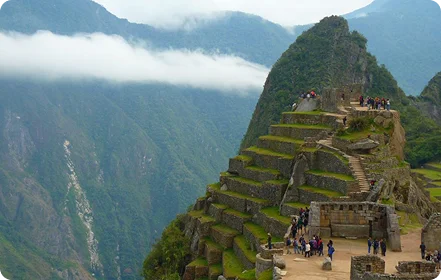 Begin Your Machu Picchu Journey
Quick Answer: When Is the Best Time to Visit Machu Picchu?
The best time to visit Machu Picchu depends on the kind of experience you want, since each season offers a different mix of weather, crowd levels, and travel conditions. Some periods are better for clear mountain views, including iconic sights like Machu Picchu Mountain, while others make it easier to find quieter spaces.
Best overall months
- April, May, September, and October
- These months usually offer a good balance of conditions, with generally pleasant weather, moderate crowds, and more comfortable planning for trains and entry tickets.
Best for weather and visibility
- May to September (dry season)
- This is the most stable period of the year, with clearer skies and less rain. It is often preferred for sightseeing because the visibility of the ruins and surrounding mountains tends to be better.
Best for fewer crowds
- November to March (rainy season)
- Visitor numbers are lower during these months, especially outside holiday periods, creating a quieter atmosphere at the site. However, rainfall is more frequent, and some trekking routes may close due to bad weather. The Inca Trail, for example, typically shuts down during this period.
Best for flexibility and availability
- November to March, plus April and October
- These months generally offer more flexibility when booking trains, entry tickets, and accommodation, as demand is lower compared to peak season. However, availability still depends on how far in advance you book.
Best for hiking experiences
- May to September
- These months are commonly chosen for trekking routes, including the Inca Trail, because the trails are drier and conditions are more stable.
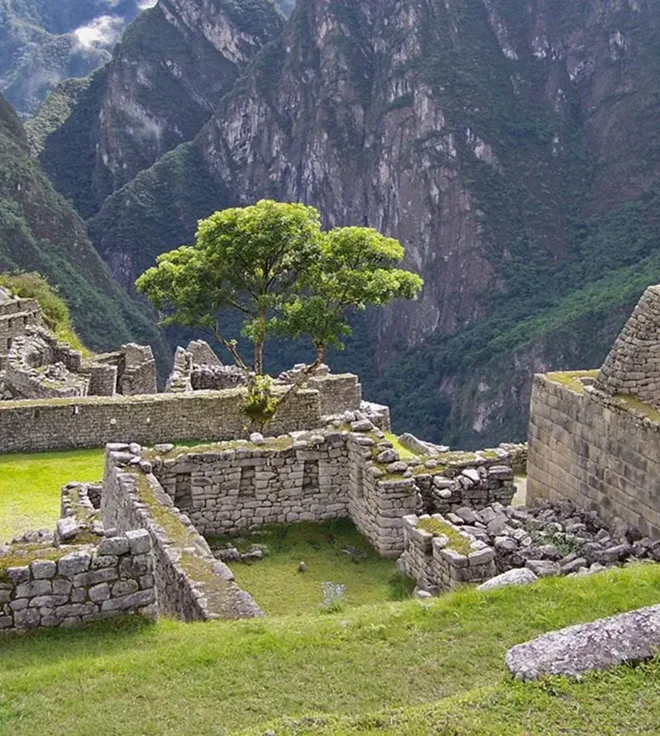
Machu Picchu Weather & Climate Overview
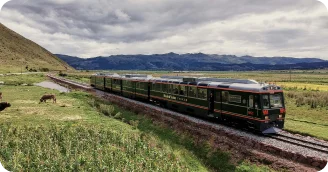
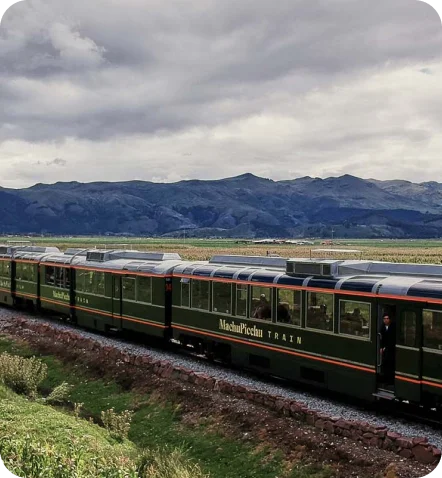
Machu Picchu Weather & Climate Overview
Machu Picchu sits in the cloud forest of the Andes, above the winding Urubamba River, where weather conditions can change throughout the year but still follow a clear seasonal pattern. Because of its location at around 2,430 meters above sea level, the climate is generally mild, with warm days and cooler nights.
Machu Picchu has a subtropical highland climate typical of the Andean highlands, with relatively consistent temperatures year-round. However, microclimates across the region can lead to variations in weather conditions depending on elevation and location.

General Machu Picchu Climate Conditions
- Machu Picchu has a subtropical highland climate
- Temperatures are relatively consistent year-round
- Daytime averages usually range from 15°C to 24°C (59°F to 75°F)
- Nights can feel cooler, especially during the dry season
Even though temperatures do not vary dramatically, rainfall and visibility change significantly between seasons, which has a big impact on how the site feels during your visit.
Dry season (May to September)
This is the most stable period of the year.
- Lower rainfall and more consistent sunshine
- Clearer views of the ruins and surrounding mountains
- Higher visitor numbers due to favorable conditions
- Cooler mornings and evenings, especially in June and July
This season is often preferred for sightseeing, especially if clear photography conditions are important for your trip.
Rainy season (November to March)
This period brings more moisture and greener landscapes.
- More frequent rain showers, especially in the afternoons
- Clouds and mist are common, which can limit visibility at times
- Fewer tourists compared to the dry season
- Warmer overall feel, with higher humidity
While conditions are less predictable, the scenery becomes noticeably more lush and green during this time.
Visiting in the rainy season also means packing differently. Check out what to bring guide for rain-specific gear recommendations.
Transition months (April and October)
These months sit between the dry and rainy seasons.
- The weather can shift between sunny and wet conditions
- A mix of clearer views and occasional rain
- Moderate crowd levels
- Often considered balanced months for travel planning
Month-by-Month Breakdown: When to Visit Machu Picchu
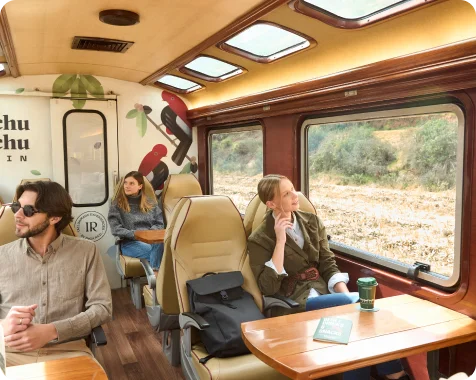
Each month at Machu Picchu brings slightly different travel conditions, mainly shaped by rainfall, visitor numbers, and how early you need to book your trip. While the site is open year-round, access is regulated to preserve the historic Inca citadel, which means planning ahead is essential.

Machu Picchu Altitude & Travel Considerations
Altitude is an important part of planning a trip to Machu Picchu, especially if you are traveling through Cusco first. While the journey is not extremely high compared to other parts of the Andes, the change in elevation can still affect how comfortable you feel during your visit.


Machu Picchu Travel Guide: Routes, Trains & Best Travel Dates
Explore routes, train options, and travel tips to choose the best Machu Picchu experience for your trip.

How to Get to Machu Picchu Based on Your Travel Dates
The time of year you choose can affect how you get to Machu Picchu, from train availability to preferred travel times. During peak months, schedules fill up faster, while quieter seasons give you more flexibility. If you are still deciding on your route, our step-by-step guide to getting to Machu Picchu covers every option from Cusco and the Sacred Valley.
Learn How to Get to Machu Picchu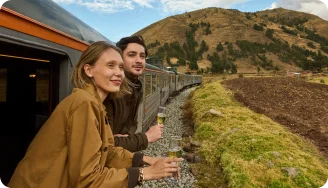
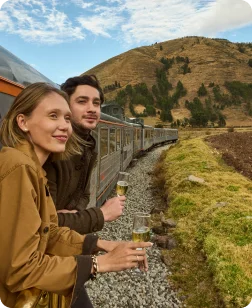
Choosing the Right Machu Picchu Route for the Season
Seasonal conditions can shape your experience along different routes to Machu Picchu. Some months offer clearer views and more stable travel conditions, while others bring greener landscapes and fewer crowds along the way.
Explore Machu Picchu Routes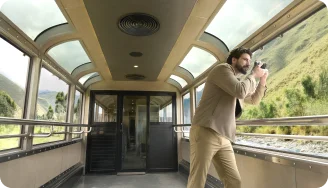

Compare Train Options for Your Travel Period
Train travel is a key part of the journey to Machu Picchu, and your travel dates can influence both availability and the type of experience you choose. During peak months, seats on popular services fill up quickly, while quieter periods give you more flexibility across different train types, schedules, and onboard features.
Compare Train OptionsWhen to Book Your Machu Picchu Trip
Choosing the best time to visit Machu Picchu also means knowing how far in advance to book. Demand changes throughout the year, so your travel month will directly affect when you should secure your train tickets, accommodation, and Machu Picchu tickets, which have limited daily availability.
Frequently Asked Questions
What time of day has the best weather in Machu Picchu?
Weather is usually more stable in the morning, particularly between April and October. During the rainy season, showers are more common in the afternoon, so earlier entry times are generally preferred. Visiting early also gives you a better chance of clearer views before clouds begin to roll in.
Does Machu Picchu close during the rainy season?
No, Machu Picchu is open year-round, including the rainy season. However, February is the wettest month, and some trekking routes like the Inca Trail are closed for maintenance during this time.
When is Machu Picchu the greenest?
The landscape is at its greenest during the rainy season, especially from January to March. This is when the surrounding mountains and terraces are most vibrant due to frequent rainfall. The mist and clouds can also add a more dramatic and atmospheric feel to the scenery.
What is the busiest time of day at Machu Picchu?
Mid-morning to early afternoon tends to be the busiest, as many tours and train arrivals are scheduled during these hours. Early morning and later afternoon entry times are usually less crowded.
What happens if it rains during my visit to Machu Picchu?
Light rain is common at Machu Picchu, particularly in the afternoons, and the site remains open during rainfall. Bringing a compact rain poncho is recommended since umbrellas are not permitted on site. Paths can become slippery when wet, so sturdy footwear with good grip makes a significant difference. If heavy rain is forecast, morning entry gives you the best chance of drier conditions before weather changes later in the day.
How many days should I plan for a Machu Picchu trip?
Most travelers plan at least 2 to 3 days, including time to travel from Cusco, adjust to the altitude, and visit Machu Picchu without rushing. This also gives you some flexibility in case of weather changes or train schedule adjustments.
Travel to Machu Picchu with Inca Rail, Any Time of Year
Magic is on the roadThe best time to visit Machu Picchu sets the pace for your entire trip, but your journey does not end with choosing a month. Train availability, departure times, and the type of experience you choose all come into play once your dates are set.
View Inca Rail Train Schedules & Options