
 en
en Spanish
 Portuguese
Compare the Main Routes to Machu Picchu
| Route | Best for | Approx. Travel Time | Main Advantage |
|---|---|---|---|
| Ollantaytambo to Machu Picchu | Travelers already staying in the Sacred Valley or looking for the fastest rail connection | 1.5–2 hours by train | Shorter and more direct train journey |
| Cusco to Machu Picchu | Travelers staying in Cusco who prefer organized transfers | 3.5–5 hours total | Coordinated bus + train connection from Cusco |
While both routes lead to Aguas Calientes, the experience before arrival can feel quite different depending on where the journey begins.
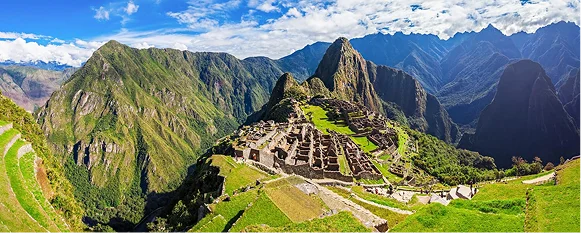
Ollantaytambo to Machu Picchu Route
Starting from Ollantaytambo places travelers closer to the rail portion of the journey, creating a more continuous route
toward Aguas Calientes. Along the way, the train passes through changing Andean landscapes, river valleys, and smaller
mountain communities before reaching the gateway to Machu Picchu.
This departure option fits naturally into itineraries that already include time in the Sacred Valley and can help
simplify travel planning between destinations.
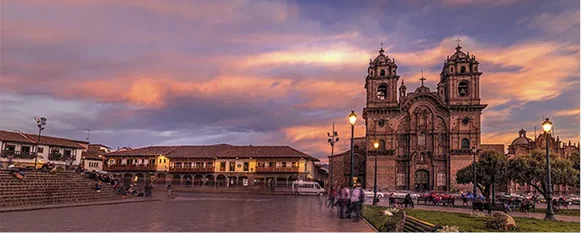
Cusco to Machu Picchu Route
The bimodal route from Cusco connects ground transportation and rail travel within a single coordinated itinerary.
Travelers first depart from Cusco before continuing toward the train connection that leads to Aguas Calientes.
For many visitors, this route provides a practical way to begin the journey directly from Cusco while keeping
transportation arrangements centralized within one booking flow.
Best Departure Times for Machu Picchu Routes
Departure timing can affect how smoothly the journey to Machu Picchu fits into your overall itinerary. Some schedules work better for shorter day trips, while others are more comfortable for travelers planning an overnight stay in Aguas Calientes.
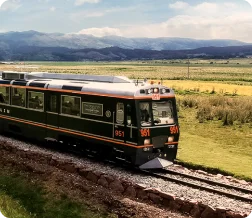
Early Morning Departures
Early morning departures are usually the best option for day trips to Machu Picchu. Leaving earlier allows more time at the citadel and helps travelers return later the same day. This timing is especially convenient from Ollantaytambo, where the route is shorter and more direct.
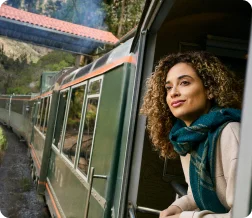
Midday Departures
Midday departures offer a more relaxed travel pace and are often preferred by travelers staying overnight in Aguas Calientes. They also work well for visitors beginning their journey from Cusco who want additional flexibility before departure.

Afternoon Departures
Afternoon departures are generally better suited for overnight stays rather than same-day visits. This option allows travelers to spend more time in Cusco or the Sacred Valley before continuing toward Machu Picchu.
Best Departure Times by Travel Style
| Travel Style | Recommended Departure |
|---|---|
| Day Trips | Early morning departures |
| Overnight Stays | Midday or afternoon departures |
Which Route Works Best Depending on Departure Time
| Departure Time | Recommended Route | Main Advantage |
|---|---|---|
| Early Morning | Ollantaytambo to Machu Picchu | Faster and more direct journey |
| Midday | Cusco to Machu Picchu (Bimodal) | More flexible transfer coordination |
| Afternoon | Cusco to Machu Picchu (Bimodal) | Better suited for overnight travel plans |
Seasonal Machu Picchu Travel Tips by Route
Seasonal conditions can influence visibility, crowd levels, and how flexible each route feels. Understanding how weather affects both Ollantaytambo and Cusco departures helps you choose the most suitable travel window.
Dry Season (May–September)
Dry season generally offers clearer skies and more reliable travel conditions. Morning departures from Ollantaytambo are especially popular during this period, as they often provide better visibility along the Sacred Valley route.
This is also the busiest travel season, so both train tickets and entry times should be booked in advance.
Rainy Season (November–March)
Rain is more frequent during this season, which can affect timing flexibility, especially on the Cusco bimodal route due to its added land transfer. Travelers should allow extra buffer time between connections.
Train operations continue, but schedules may feel more sensitive to weather conditions compared to the dry season.
Shoulder Season (April & October)
Shoulder months often offer a balance between weather and crowd levels. Both Ollantaytambo and Cusco routes tend to feel more flexible during this period, with easier access to preferred departure times and a more relaxed travel experience overall.

Best Machu Picchu Route by Traveler Type
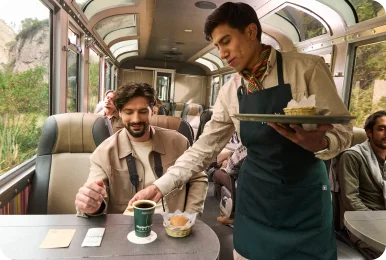
Different travelers benefit from different routes depending on itinerary, comfort level, and travel style. Choosing the right option helps make the journey to Machu Picchu smoother and better aligned with your experience goals.





Practical Travel Tips for Each Machu Picchu Route
Travel to Machu Picchu isn’t just about the destination—the experience changes depending on your route, departure time, and weather conditions. These details can have a real impact on comfort, timing, and how smoothly the journey unfolds.
Weather and Temperature Changes

Weather and Temperature Changes
Weather in the Andes can shift quickly, even within a single travel day. Early mornings from Cusco and the Sacred Valley are often noticeably cold, especially during the dry season, and conditions can feel quite different once the train descends toward Aguas Calientes. Layered clothing is generally more practical than heavy outerwear because temperatures can change within a few hours.
Timing and Train Availability
Timing and Train Availability
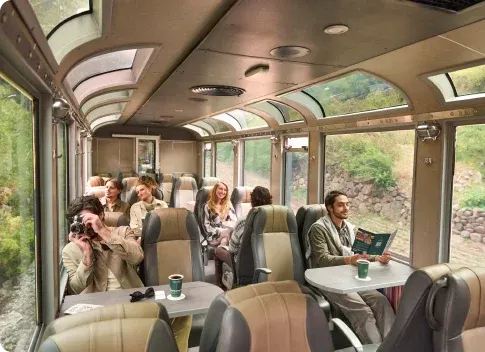
Departure schedules can fill quickly during peak travel months, especially for early morning trains. Travelers who prefer specific time slots often book in advance to secure better alignment with their itinerary. Midday departures tend to offer slightly more flexibility, while early departures are typically the first to sell out.
Travel Pace and Energy Levels

Travel Pace and Energy Levels
The journey to Machu Picchu can feel long depending on the route and departure time. Early departures require an earlier start to the day, while afternoon options allow for a slower pace before traveling. Choosing a schedule that matches your energy level can make the overall experience feel more comfortable.
Arrival Experience in Aguas Calientes

Arrival Experience in Aguas Calientes
How you arrive in Aguas Calientes can shape the rest of the day. Afternoon arrivals are often calmer, with more time to settle in before visiting Machu Picchu the next morning. Earlier arrivals suit travelers who prefer to keep momentum and complete more of their itinerary in a single day.
Route Flow and Travel Transitions
Route Flow and Travel Transitions
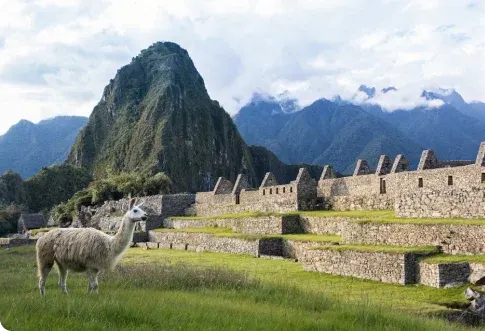
The Ollantaytambo route generally involves fewer transitions, which can make the journey feel more direct and straightforward. The Cusco bimodal route includes an additional transfer before the train, which adds structure to the journey but also introduces more moving parts that benefit from careful timing.
Luggage Guide for Machu Picchu Travelers
Luggage preparation can make the journey to Machu Picchu much smoother, especially when traveling between Cusco, the Sacred Valley, and Aguas Calientes. Since train services operate with limited luggage space, packing light helps make transfers and boarding more comfortable throughout the trip.

-
Keep luggage light and compact, as train services have size and weight restrictions
-
Use a small backpack or day bag for essentials during the journey and site visit
-
Leave larger suitcases at your hotel in Cusco or the Sacred Valley before departure
-
Pack only what is needed for the travel day and changing weather conditions
-
Keep passports, train tickets, Machu Picchu entry tickets, and valuables easily accessible
-
Bring light layers, since temperatures can change quickly between morning departures and arrival in Aguas Calientes

Check Machu Picchu Train Schedules
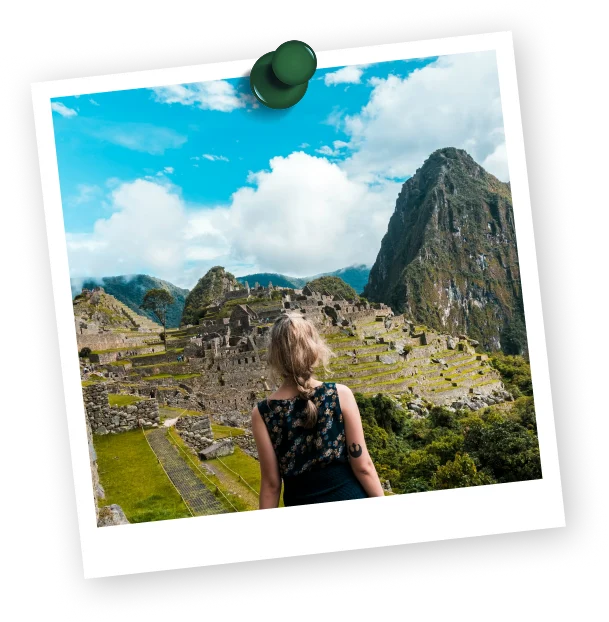
Train schedules to Machu Picchu vary depending on the route, departure point, and travel season. Reviewing available departures in advance helps coordinate train timing with entry tickets, transfers, and overall itinerary planning for a smoother travel experience.
Frequently Asked Questions
How can altitude sickness affect a trip to Machu Picchu?
Altitude sickness can affect travelers staying in Cusco or the Sacred Valley before visiting Machu Picchu. Symptoms like headaches or fatigue are more common during the first days at higher elevations, so many visitors allow time to adjust before traveling.
Is Machu Picchu Mountain included with all entry tickets?
No. Machu Picchu Mountain requires a specific entry ticket in addition to general site access. Availability is limited, so reservations are usually made in advance, especially during peak travel seasons.
How far in advance should Machu Picchu reservations be booked?
Machu Picchu reservations, including train schedules and entry tickets, are commonly booked early due to limited daily availability. Morning departures and peak-season travel dates often fill the fastest.
Does learning about the Inca civilization improve the visit experience?
Many travelers find that understanding the Inca civilization adds more meaning to the visit. Learning about Inca engineering, agriculture, and mountain settlements helps provide better context while exploring Machu Picchu.
Is the Salkantay Trek an alternative route to Machu Picchu?
Yes. The Salkantay Trek is a multi-day hiking route that leads to Machu Picchu through mountain and valley landscapes. Unlike train-based routes from Cusco or Ollantaytambo, it is designed for travelers looking for a longer trekking experience before arriving at the site.
Are the hot springs in Aguas Calientes a good option for recovery after visiting Machu Picchu?
The hot springs in Aguas Calientes are a popular place to relax after visiting Machu Picchu. Many travelers go there to rest their muscles after a day of walking and hiking. They’re close to town, so it’s easy to fit them into your plans.
Make Your Machu Picchu Trip Easier with Inca Rail
Planning a visit to Machu Picchu feels easier when train travel and entry arrangements are connected in one process. Inca Rail brings these key parts of the journey together, from departure in Cusco or the Sacred Valley to arrival in Aguas Calientes.
Explore Machu Picchu Train & Ticket Packages with Inca Rail