
 en
en Spanish
 Portuguese
Machu Picchu Circuits: Complete Guide Including Accessibility for Travelers with Disabilities
Planning a visit to Machu Picchu involves more than choosing a date or securing a ticket. Once inside the site, the experience is shaped by a decision many travelers don’t fully consider in advance: which circuit they will follow. Each Machu Picchu circuit follows a specific route through the archaeological site, with its own set of viewpoints, walking paths, and access to key areas.
The circuit you pick will shape your visit. Some routes highlight high viewpoints and wide-open scenery, while others lead you through larger parts of the ruins or include more challenging paths. Because entry follows a fixed route system, selecting a circuit cannot be adjusted on arrival, making it a key part of early trip planning alongside transportation arrangements and overall itinerary planning.
Knowing the differences between the Machu Picchu circuits helps you choose the one that fits you best. Think about things like physical difficulty, walking distance, terrain, and how much time you have. Considering these factors makes it easier to pick a circuit that matches your comfort and travel plans, so you know what to expect from your visit.
What Are Machu Picchu Circuits?
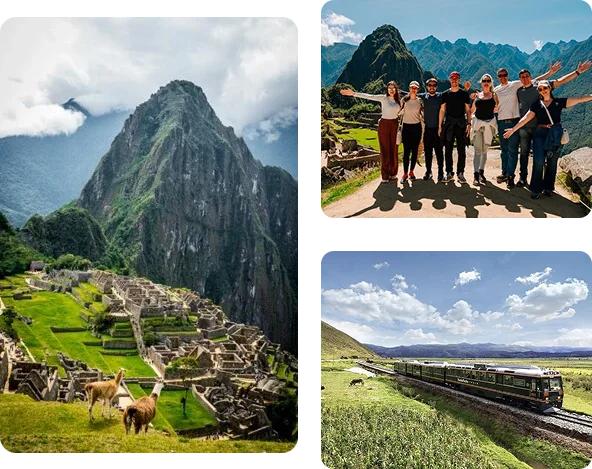
Machu Picchu circuits are set routes that guide how visitors move around the site. Rather than letting people wander everywhere, these pathways lead visitors through certain viewpoints, buildings, and parts of the citadel. Each circuit offers a different way to experience Machu Picchu, with differences in distance, terrain, access to archaeological sectors, and viewpoints.
Why Machu Picchu Uses Designated Circuits
The circuit system at Machu Picchu was created to organize how visitors move through the site. Since thousands of people visit every day, letting everyone go anywhere would put too much strain on delicate areas and make it hard to keep the site safe and well-preserved. Here are some reasons why this system is needed:
Preservation of the Archaeological Site
Machu Picchu is a fragile heritage site with centuries-old stone structures and pathways. The circuit system helps limit uncontrolled movement, reducing wear on sensitive areas and helping preserve the site for future visitors.
Managing Visitor Flow
With thousands of visitors entering daily, designated routes help prevent overcrowding in narrow paths and key viewpoints. This creates a more organized flow through the site and reduces congestion in high-traffic areas.
Safety and Terrain Conditions
Much of Machu Picchu includes steep stairs, uneven stone surfaces, and narrow passages. Circuits allow authorities to control movement in areas where safety risks are higher and ensure visitors follow routes that are structurally appropriate for guided access.
Supporting Different Visitor Needs
Not all travelers experience Machu Picchu in the same way. The circuit system allows different types of visits depending on physical ability, time availability, and travel style. Some routes are more suitable for relaxed exploration, while others require more endurance and mobility. Differences in elevation, walking distance, terrain, and access to specific areas of the citadel allow travelers to select the option that best matches their interests and comfort level.
Understanding the Different Circuit Options
Machu Picchu is divided into three main circuit groups, each offering a different way to experience the site in terms of scenery, walking route, level of effort, and accessibility. Within each circuit, there are also sub-routes that further define the exact path visitors will take.
Circuit 1: Panoramic and Viewpoint-Focused Route
Circuit 1 is designed for travelers who prioritize wide, elevated views of Machu Picchu and the surrounding mountain landscape. It focuses on the upper sections of the archaeological site, where visitors can experience some of the most iconic panoramic perspectives.Unlike other circuits, Circuit 1 does not emphasize full exploration of the urban or ceremonial sectors. Instead, it focuses on viewpoints, terraces, and high-altitude walking routes.


Circuit 2: Balanced Exploration of the Citadel
Circuit 2 is widely considered the most balanced and commonly recommended way to explore Machu Picchu. It combines scenic viewpoints with direct access to the main archaeological and ceremonial sectors of the citadel. This circuit is often recommended for first-time visitors because it provides both context and variety—allowing travelers to see temples, residential areas, and key architectural highlights in one continuous route.
Circuit 3: Lower Sections and Active Routes
Circuit 3 focuses on the lower sections of Machu Picchu, where many structures associated with Inca royalty and ceremonial life are located. It offers a different perspective of the citadel, with less emphasis on panoramic viewpoints and more focus on architectural details and cultural spaces. This circuit is often quieter and can feel more immersive in terms of archaeological detail.
Which Machu Picchu Circuit Is Right for You?
Each Machu Picchu circuit offers a different way of experiencing the site, and the right choice often depends on how much walking you are comfortable with, how much time you have, and the type of visit you want inside the archaeological area. While all circuits cover important parts of Machu Picchu, they vary in difficulty, accessibility conditions, and the overall focus of the route.
| Circuit | Main Highlights | Difficulty Level | Estimated Duration | Accessibility Considerations | Best For |
|---|---|---|---|---|---|
| Circuit 1 | Panoramic viewpoints, upper terraces, wide landscape perspectives | Moderate to demanding | 1.5–2.5 hours | Includes more stair sections and elevation gain; may be challenging for travelers with reduced mobility | Photography-focused visits First-time visitors seeking iconic views Travelers prioritizing panoramic viewpoints |
| Circuit 2 | Main archaeological areas, balanced viewpoints, central citadel sectors | Moderate | 2–3 hours | More balanced terrain but still includes uneven stone paths | First-time visitors Families Seniors Mixed mobility groups |
| Circuit 3 | Lower terraces, quieter areas, optional hiking connections | Moderate to demanding | 2–3.5 hours | Uneven terrain and longer walking sections; more physically demanding overall | Active travelers Hikers Returning visitors Visitors interested in archaeological detail |
Continue Planning Your Machu Picchu Adventure
Choosing your Machu Picchu Circuit is only one part of preparing for your visit. Once that decision is made, the next step is to organize the details that shape your overall experience—from securing entry and planning transportation to understanding conditions at the site and structuring your itinerary.


Why Transportation and Circuit Planning Go Hand in Hand
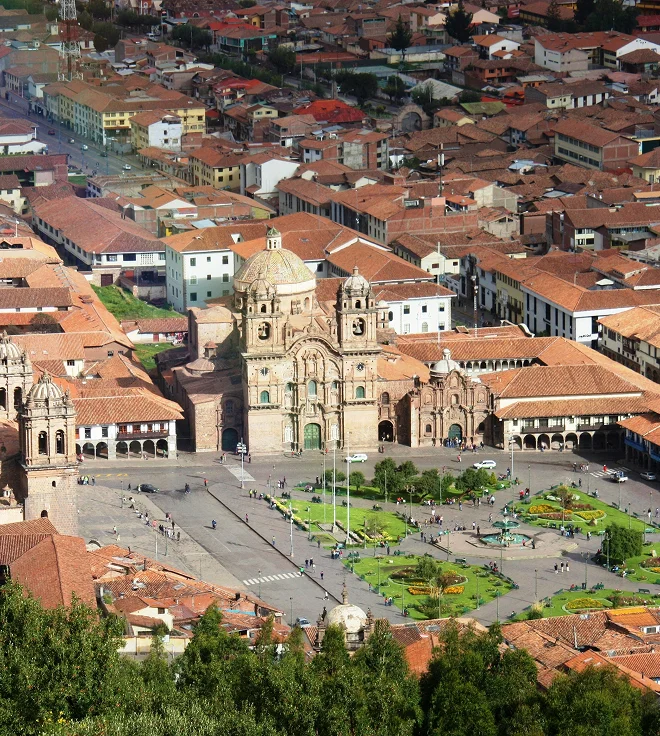
Getting to Machu Picchu happens in several steps, starting in Cusco, then reaching Machu Picchu Pueblo, and finally entering the site. Each part of the journey affects your energy and time for your chosen circuit, so planning ahead is important.

Entry times
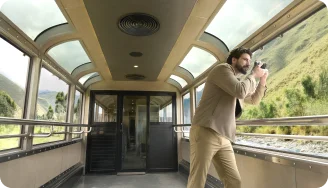
Access to Machu Picchu is scheduled in fixed time slots, and arriving in line with your assigned entry time helps ensure a smoother start to the visit. The timing can also influence how comfortable it feels to begin a circuit that involves longer walking distances, elevation changes, or more physically demanding sections.

Walking requirements
Each circuit includes different levels of walking, from steady routes through main archaeological areas to more physically demanding paths with stairs and uneven terrain. Understanding this alongside travel duration helps set realistic expectations for the visit.


Energy management
By the time you arrive, you may already have spent several hours traveling. That energy matters once you begin exploring. Matching your transportation schedule with the intensity of your circuit helps you avoid starting your visit already tired, especially if you plan to spend several hours inside Machu Picchu or have selected a route with significant elevation gain.
Accessibility considerations
If you’re traveling with limited mobility, as a senior, or with family members who need a slower pace, planning ahead becomes essential. When your arrival time and circuit choice work together, you reduce unnecessary strain and give yourself more control over how you experience the site. This is particularly important when comparing circuits, as accessibility, terrain conditions, and walking requirements vary between routes.
Choosing the Right Train Experience for Your Travel Style
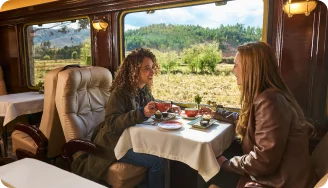
How you travel to Machu Picchu shapes how you feel when you arrive. The comfort, timing, and rhythm of your journey all influence how prepared you are for your selected circuit once you step into the site.

Families
When you’re traveling with children or in a group, you’ll want a schedule that avoids long gaps or rushed transfers. A well-timed journey helps you arrive with enough energy to explore together at a steady, comfortable pace.

Seniors
If comfort and reduced strain matter for your trip, the way you structure your travel time makes a difference. A calmer pace before entering Machu Picchu helps you focus on enjoying the experience rather than managing fatigue, especially on circuits with moderate walking distances and uneven terrain.

Travelers seeking comfort
If you prefer a relaxed travel experience, you benefit from a journey that feels coordinated from start to finish. When your transport and entry time are aligned, you avoid unnecessary waiting and begin your visit in a more composed state.

Visitors requiring additional assistance
If you need mobility support or extra assistance, planning becomes even more important. When your travel schedule is aligned with your circuit choice, you can move through each stage of the journey with fewer uncertainties and more confidence. Reviewing the accessibility considerations of each circuit in advance can also help set realistic expectations before arrival.
When you plan your transportation and circuit together, the experience feels more consistent from departure to arrival. Instead of treating them as separate decisions, you shape them as one connected journey—how you travel, when you arrive, and how you explore the site, all working in the same direction. At Inca Rail, this connection is part of how the journey is designed to be experienced, supporting you in arriving ready for the circuit you choose inside Machu Picchu.
Continue Planning Your Machu Picchu Adventure
Choosing your Machu Picchu Circuit is only one part of preparing for your visit. Once that decision is made, the next step is to organize the details that shape your overall experience—from securing entry and planning transportation to understanding conditions at the site and structuring your itinerary.

Explore Machu Picchu Ticket Options and Tour Experiences
Ticket availability directly determines which circuits you can access and at what time of day you can enter the site. Understanding the different ticket types and guided options helps you avoid limitations later in the planning process and ensures your chosen circuit and preferred entry time are available when you need them.
Explore Machu Picchu Tickets and Tours
Learn How to Reach Machu Picchu
Getting to Machu Picchu involves several stages, including travel to Cusco, transfer to Machu Picchu Pueblo, and the final route up to the archaeological site. Understanding each step in advance helps you better align your arrival time with your circuit entry schedule, walking plans, and overall travel itinerary.
Discover How to Get to Machu Picchu
Check Climate Conditions, Altitude, and the Best Time to Visit
Weather and altitude can influence both comfort and physical performance inside Machu Picchu. Conditions may affect visibility, walking ease, and overall energy levels, making it important to consider timing alongside your chosen circuit, especially for routes with greater elevation changes or longer walking distances.
View the Best Time to Visit Machu Picchu
See What to Bring and Understand Site Rules
Preparing the right clothing, footwear, and essentials can make a noticeable difference once you begin your circuit. Site regulations also affect what you can bring and how you move through the archaeological areas, so reviewing these details in advance helps avoid disruptions during your visit.
Check What to Bring to Machu Picchu
Plan Your Trip with Recommended Itineraries and Packages
Itineraries help you organize your visit based on available time, travel style, and physical comfort. Whether you’re planning a short visit or a longer journey, structured options can help you align transportation, accommodation, and circuit selection more effectively while accounting for the walking requirements and pace of your chosen route.
Browse Machu Picchu Itineraries and Packages
Explore Things to Do in Machu Picchu Pueblo
Machu Picchu Pueblo is more than a transit point—it’s where many travelers prepare, rest, and adjust before or after visiting the site. Knowing what’s available in the area helps you plan a smoother experience around your circuit timing, entry schedule, and travel plans.
Discover What to Do in Machu Picchu PuebloFrequently Asked Questions
What is the difference between Circuit 1, Circuit 2, and Circuit 3?
Circuit 1 focuses on elevated viewpoints and wide panoramic views of Machu Picchu. In contrast, Circuit 2 covers the main archaeological areas and provides the most balanced and complete exploration of the citadel. Meanwhile, Circuit 3 explores lower sections and may include access to hiking routes, offering a more architecture- and archaeology-focused experience, with optional active hiking routes depending on the selected path.
Can I change my Machu Picchu circuit after entering the site?
No, you cannot change your Machu Picchu circuit once you have entered the site. Each ticket is assigned to a specific circuit and must be followed from start to finish. This rule helps manage visitor flow and protect the archaeological site.
Which Machu Picchu circuit is best for people with limited mobility?
Circuit 2 is generally the most suitable Machu Picchu circuit for people with limited mobility. It offers a more balanced route compared to the other circuits with fewer steep sections in key areas. However, all circuits still include uneven stone paths and natural terrain, and accessibility remains limited throughout the site.
How physically demanding is Circuit 1 compared to the others?
Circuit 1 is more physically demanding than Circuit 2. It includes more uphill walking, stair sections, and elevated paths that require steady effort. Compared to Circuit 3, the level of difficulty varies by route selection. Some Circuit 3 options that include mountain hikes can be significantly more demanding, while standard Circuit 3 routes may involve longer walking distances and uneven terrain rather than sustained elevation gain.
Are all Machu Picchu circuits accessible for wheelchair users?
No, Machu Picchu circuits are not fully accessible for wheelchair users. The site has uneven stone paths, stairs, and natural terrain that limit full access. In some areas, partial assistance may be possible, but most routes still require walking and navigation of uneven surfaces.
How do I know which Machu Picchu circuit is included in my ticket?
Your Machu Picchu ticket clearly shows which circuit you are assigned to. The circuit number and route selection are listed on your booking confirmation and entry pass. Because of this, it is important to check your ticket before traveling to the site.
Are rest areas available along the Machu Picchu circuits?
Visitors can pause at designated viewpoints and wider sections of the route when permitted, but opportunities for extended rest are limited. The circuits are designed as continuous routes, and seating is not widely available throughout the site. Pacing yourself is important, especially on routes with more stairs, elevation changes, or longer walking distances.
Are Machu Picchu circuits one-way routes only?
Yes, Machu Picchu circuits are designed as one-way routes. Visitors must follow the assigned direction from entry to exit. This system helps control movement inside the site and supports the protection of the archaeological areas.
Planning Your Machu Picchu Circuit Experience with Inca Rail
Choosing a Machu Picchu circuit comes down to how you want to experience the site and how much walking feels comfortable for you. Circuit 1 is great if you want wide views and classic photo spots, but be ready for more stairs and uphill climbs. Circuit 2 is a good choice for most people, especially if it’s your first visit, you’re with family, or you want a balanced route through the main areas. Circuit 3 is best for active travelers and visitors interested in exploring lower archaeological sectors, architectural details, and optional hiking routes.
Plan Your Machu Picchu Journey with Inca Rail